

For the past decade, capital markets were defined by fragmentation. A proliferation of fintech startups, specialized boutique firms, and regional players thrived in a low-interest-rate environment. However, the 2026 landscape is markedly different. We are witnessing a "return to fundamentals" where profitability, cash flow durability, and regulatory resilience are the primary metrics of success.
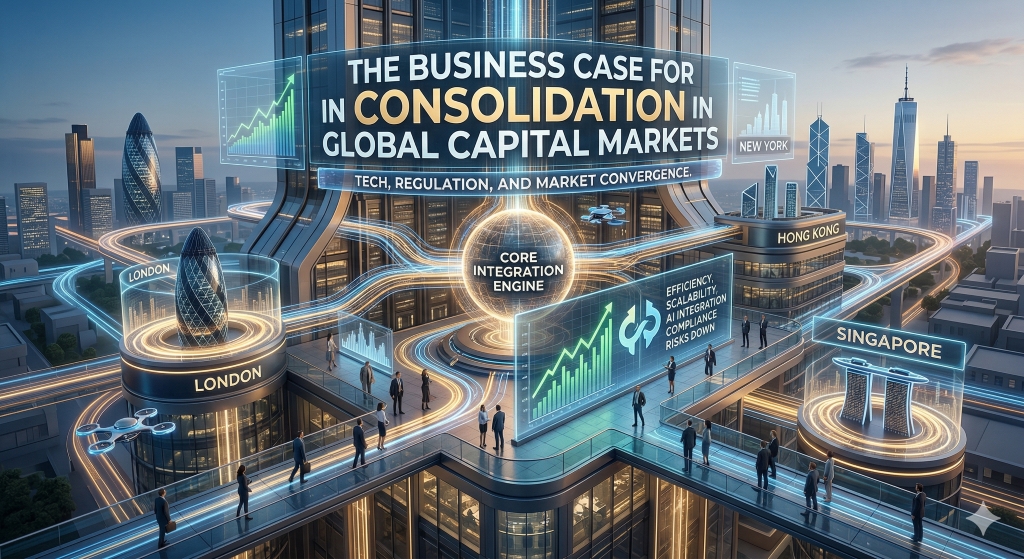
The current environment—characterized by geopolitical multipolarity and the rapid diffusion of Artificial Intelligence—has created a high-barrier entry point for smaller players. Consolidation is no longer just about buying market share; it is about acquiring the computational power and regulatory infrastructure required to compete.
In modern capital markets, the "Tech-Stack" is the most significant line item on the balance sheet. Small to mid-sized firms often struggle with legacy systems that cannot handle the real-time data processing required for 2026 trading volumes.
The regulatory burden has reached an all-time high. From ESG disclosure mandates to the "T+0" settlement requirements that became standard in many markets this year, the cost of compliance is staggering.
One of the most compelling business cases for consolidation is the blurring of lines between traditional banking and private credit.
The "Buy vs. Build" debate has been settled in favor of the former. Whether it’s a traditional investment bank acquiring a crypto-native platform for its blockchain settlement technology or a wealth manager buying a fintech for its UX, the goal is to close "capability gaps" instantly.
Key Trend: In 2026, megadeals are frequently driven by the need to acquire specialized AI infrastructure and talent that would take a decade to build organically.
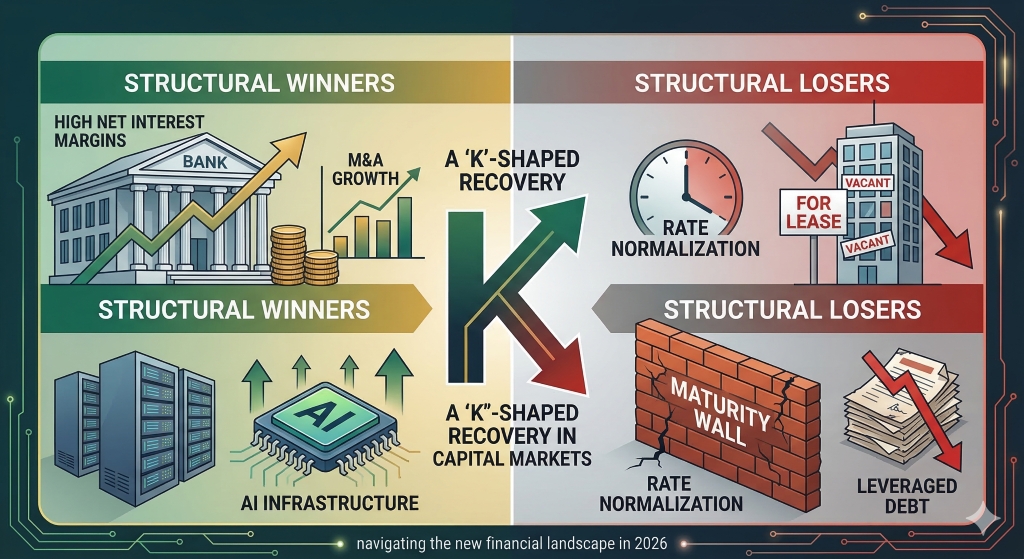
The "K-shaped" recovery in capital markets has proven that scale is a defensive moat. As we look toward 2027, the firms that will lead the global markets are those that have successfully navigated this period of consolidation to build leaner, tech-forward, and multi-asset class powerhouses.
To stay updated on the evolving landscape of global M&A and capital markets, we recommend following these industry leaders:
BA Blocks
Industry Certification Programs:
CFA(Chartered Financial Analyst)
FRM(Financial Risk Manager)
CAIA(Chartered Alternative Investment Analyst)
CMT(Chartered Market Technician)
PRM(Professional Risk Manager)
CQF(Certificate in Quantitative Finance)
Canadian Securities Institute (CSI)
Quant University LLC
· MachineLearning & AI Risk Certificate Program
ProminentIndustry Software Provider Training:
· SimCorp
· Charles River’sEducational Services
Continuing Education Providers:
University of Toronto School of Continuing Studies
TorontoMetropolitan University - The Chang School of Continuing Education
HarvardUniversity Online Courses
Study of Art and its Markets:
Knowledge of Alternative Investment-Art
Disclaimer: This blog is for educational and informational purposes only and should not be construed as financial advice.